
A Fresh Look at Global Governance: What it Means for Africa and Tanzania
Ever wonder how global decisions impact your daily life? A new initiative aims to make the world's systems fairer, offering exciting opportunities for places like Africa and Tanzania to thrive.
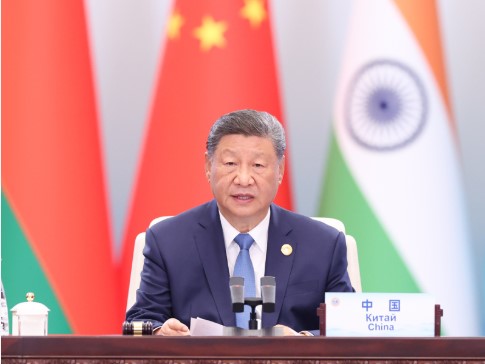
When Chinese President Xi Jinping introduced the Global Governance Initiative (GGI), he put a big question at the heart of our worldwide conversations: How can international systems be fairer, more inclusive, and better at meeting the needs of developing countries and everyday people? This initiative offers China's perspective on reshaping global affairs, first shared at the Shanghai Cooperation Organisation Plus Meeting in September 2025.
The GGI centers around five key ideas. First, it champions sovereign equality, ensuring every country has a say in global matters. Second, it calls for international rule of law, to create a just and organized global system. Third, it promotes multilateralism, encouraging more teamwork and unity among nations. Fourth, it emphasizes a people-centered approach, aiming for outcomes that benefit everyone. And finally, it focuses on real results, pushing for practical and efficient global governance.
Why This Matters for Africa
For a continent like Africa, these ideas could lead to something really tangible: a stronger voice in global decision-making. Imagine having more influence over the rules that govern trade, finance, technology, peace, and development. Right now, global challenges are growing, and many feel that the current international systems don't truly reflect today's world. Africa, with its nearly 1.6 billion people, often finds its influence limited.
The GGI suggests that global affairs should be openly discussed by everyone, that systems should be built together, and that the benefits should be shared broadly. This aligns perfectly with Africa's long-standing desire for more representation and participation in global institutions. For Tanzania, this connection is especially meaningful, thanks to its deep relationship with China.
Opportunities for Tanzania
Think about the Tanzania-Zambia Railway (TAZARA), a wonderful symbol of cooperation. The GGI's principles could help transform this railway from just a transport link into a thriving economic corridor, connecting Tanzania, Zambia, and beyond. Imagine farmers in Mbeya getting their produce to market faster, or factories along the railway processing Tanzanian minerals right at home. This kind of connectivity could lower costs, attract investment, create jobs, and boost government income. It could even make Tanzania an even more vital gateway for trade across East and Central Africa.
The GGI also opens doors in agriculture. Africa has immense farming potential, yet it spends billions on imported food. Deeper international cooperation in things like irrigation, modern farming techniques, and food processing could help countries like Tanzania grow more food and create valuable products locally, instead of just exporting raw materials. This means more jobs and greater value staying within the country.
And let's not forget young people! The GGI's people-centered approach means reforming global governance so that everyone can participate and benefit. This could lead to more opportunities in education, vocational training, science, and digital innovation for young Africans. For Tanzania, this might mean more chances in exciting fields like IT, AI, manufacturing, renewable energy, and tourism.
Ultimately, global governance should improve our lives. In Tanzania, that could translate into better infrastructure, more jobs, stronger healthcare and education, greater food security, and endless possibilities for its youth. It’s about building a kinder, more connected world for all of us.
Written by Limmizen Newsroom
Originally reported by Daily News. This piece is a Limmizen rewrite in our own voice.