
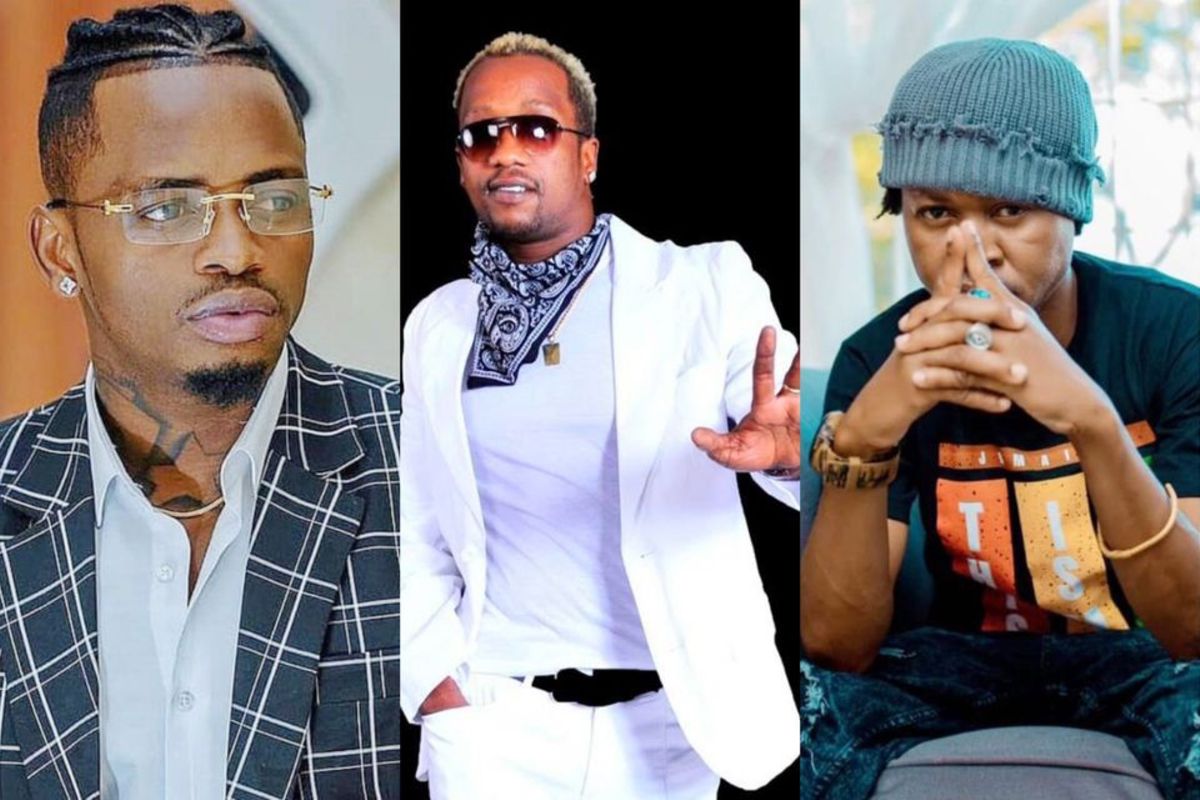
Bongo Flava: How Tanzania's Sound Became East Africa's Heartbeat
Discover how Bongo Flava, Tanzania's unique musical genre, grew from local streets to dominate East African airwaves. It's a beautiful story of cultural authenticity, smart strategy, and the power of language.
From the bustling streets of Dar es Salaam, a vibrant new sound called Bongo Flava has blossomed, becoming the most beloved musical genre across East Africa. It's a journey powered by truly authentic culture, a shared language, and some really smart choices by those in the music industry.
For a while, music from Uganda and Kenya had a stronger spotlight. But Bongo Flava slowly but surely rose, capturing the hearts of a whole generation not just in Tanzania, but everywhere Swahili is spoken.
From a Local Experiment to a National Treasure
Bongo Flava first emerged in the 1990s, and it was always more than just fun tunes. It was a powerful way for artists to talk about important things in their society. It started as a creative mix of American hip-hop, R&B, and dancehall, blended perfectly with traditional Tanzanian rhythms and the rich art of Swahili storytelling.
Early pioneers like Dully Sykes, Juma Nature, Lady Jaydee, and many others, sang about real-life experiences – love, everyday struggles, politics, and the pride of their culture. While other East African countries had their own popular sounds, Tanzania was quietly building something that would last, deeply connected to its identity and language.
The big moment for the genre really hit in the 2010s. Artists like Ali Kiba brought back beautiful Swahili ballads with a fresh, modern touch. Then, Diamond Platnumz took Bongo Flava to a whole new level with his 2014 hit “Number One,” featuring Nigerian star Davido. This song was a game-changer, helping Bongo Flava become a major force across Africa.
The Power of Swahili and Digital Savvy
One of the biggest reasons for Bongo Flava's success is its consistent use of Swahili. This language is widely understood across East Africa, making Tanzanian music instantly relatable to a huge audience. While other genres sometimes used local dialects or English, Bongo Flava embraced Swahili, allowing hits from artists like Mbosso and Nandy to be heard everywhere from Kigali to Mombasa.
Tanzanian artists also quickly understood the potential of digital platforms. With strong local media support and artists like Diamond Platnumz building massive online followings (he has over 8 million YouTube subscribers!), Bongo Flava easily reached global audiences. This forward-thinking approach to promotion and distribution really set them apart.
Bongo Flava is truly a celebration of identity. Even with global music trends influencing the sound, Tanzanian artists have always kept that special Swahili flavor. Unlike some other regional music scenes, Tanzania's music industry has also benefited from good support, including corporate sponsorships and big national festivals. This stability has helped artists grow and thrive.
Today, Bongo Flava isn't just the most streamed genre in East Africa; it's also the most celebrated. With artists receiving international nominations and breaking streaming records, it's clear that Tanzanian music is no longer just playing catch-up. As Diamond Platnumz put it, "Bongo Flava is our voice, our culture—and now it’s our gift to the world." And it seems the world is happily listening.
Why this matters for your listening journey:
Understanding the rise of Bongo Flava offers a wonderful example of how embracing authenticity and cultural roots can lead to global success. It reminds us that truly resonant music, like a calming soundscape or a meaningful podcast, often connects with us because it speaks to a deeper sense of identity or experience. Exploring genres like Bongo Flava can open your ears to new rhythms and stories, enriching your personal soundtrack and bringing a fresh calm to your daily life.
Written by Limmizen Newsroom
Originally reported by The Citizen. This piece is a Limmizen rewrite in our own voice.