
Bringing Clarity to the Game: Tanzania's New Video Support System
Exciting news for football fans and officials in Tanzania! A new video support system is stepping onto the field, aiming to bring more clarity and fairness to every match. It's a game-changer for referee decisions and takes a fresh look at
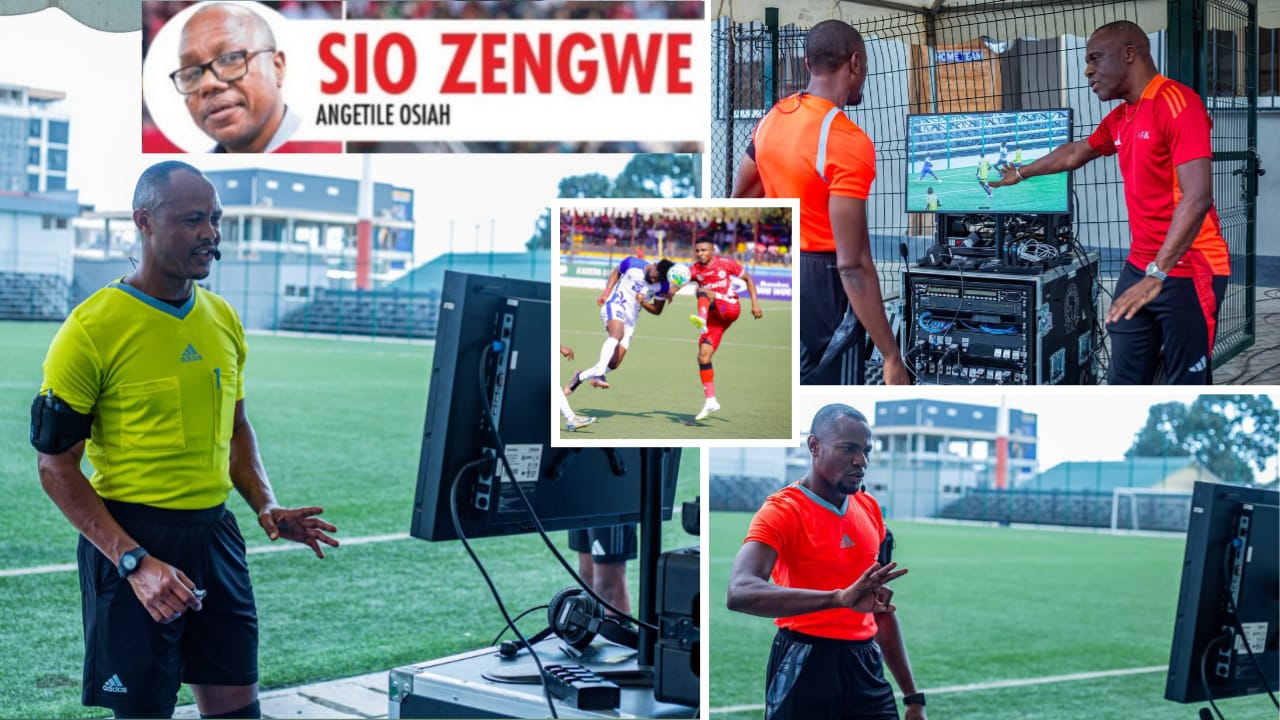
In the vibrant world of Tanzanian football, something exciting is happening! The Tanzania Mainland Premier League (TPLB) has introduced a new system called Football Video Support (FVS). Think of it as a helpful friend for our referees, designed to give them more confidence and accuracy when making big decisions on the field.
This isn't quite the same as the full Video Assistant Referee (VAR) system you might see in international matches. FVS is a smart solution, using the existing TV broadcast cameras to replay those tricky moments. It's FIFA's way of helping leagues that might not have the budget for a full VAR setup. This means we can still benefit from technology without breaking the bank.
How FVS Works During a Match
Here’s the cool part: each coach gets two 'challenges' per game. If a coach feels a call was missed or misinterpreted, they can signal to the reserve referee. They’ll be given a card, and the main referee will head over to a special area to review the footage with video operators. If the review leads to a change in the referee’s initial decision, the coach gets their 'challenge card' back! But if the referee sticks with their original call, that challenge is used up.
What kind of plays can be reviewed? We're talking about really significant moments: potential goals, possible penalties, direct red card offenses, or mistaken identity for a yellow/red card. The key here is that it's for 'clear and obvious errors.' And remember, the referee's final decision, after reviewing, is always the one that stands.
A New Era for Referee Confidence
For years, human error and tough calls have been big topics of discussion around refereeing. This new FVS technology is a breath of fresh air! It should significantly reduce those 'human errors' that have caused so much debate and frustration. Previously, a committee known as 'Kamati ya Saa 72' (the 72-Hour Committee) would often step in, sometimes suspending referees based on post-match discussions and replays. This often led to referees feeling undermined and losing confidence.
With FVS, the hope is that this committee will now respect the on-field decisions made with technological assistance. If a referee uses FVS and makes a call, that decision should be final, without being overturned later based on public outcry. This fosters trust in the system and empowers our referees.
It's important that we continue to support and train our referees, boosting their skills and confidence. This way, they can shine not just domestically but also on bigger stages. Plus, clearer explanations of complex incidents from referee bodies can help everyone – fans, journalists, and pundits – better understand the beautiful game.
Why This Matters
For those of us who love fair play and calm discussions, this is a wonderful step forward. It means fewer heated arguments over controversial calls and more focus on the game itself. When decisions are made with clearer evidence, it reduces stress for everyone involved—players, coaches, and us, the fans! It's about bringing more peace and precision to the passion of football, making the experience more enjoyable and equitable for all.
Written by Limmizen Newsroom
Originally reported by Mwanaspoti. This piece is a Limmizen rewrite in our own voice.