
Electric Skies? Exploring the Future of Flight
We're all familiar with electric cars, but what about electric planes? This week, Tech Life dives into exciting new developments in electric aviation and how it might change how we travel.
We've seen electric cars become more and more common on our roads, a real shift from traditional petrol vehicles. But when you look up at the sky, it's a different story. Most planes are still running on jet fuel, which makes you wonder: why the difference?
The latest episode of BBC's Tech Life explores this very question, diving into the exciting world of electric aviation. They’re looking at all the cool new things happening in this space, from innovative designs to potential breakthroughs.
The Promise of Electric Planes
Imagine a future where air travel is quieter, cleaner, and more sustainable. That's the dream driving the development of electric aircraft. While it's a complex challenge, with things like battery weight and power needing careful consideration, the progress being made is truly inspiring.
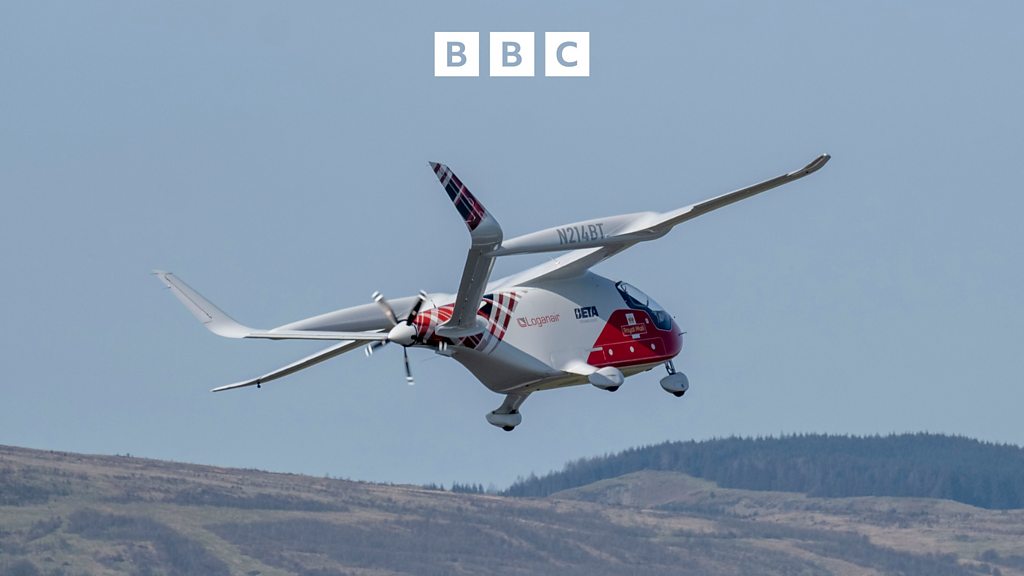
For example, the show highlights demonstration flights like the all-electric CX300 aircraft from BETA Technologies in Scotland. Seeing a small, white aircraft with a rear propeller quietly take to the air really gives a glimpse into what's possible.
Why This Matters
For those of us who care about a calmer, more sustainable world, the idea of electric flight is incredibly appealing. Cleaner air, less noise pollution, and a more eco-friendly way to connect across distances could profoundly impact our daily lives and the health of our planet. It’s about more than just technology; it’s about creating a better future for everyone.
The episode also touches on another important topic: keeping children safe online. An international child charity shares their insights, reminding us that while technology offers incredible advancements, it also comes with responsibilities to protect our most vulnerable.
Written by Limmizen Newsroom
Originally reported by BBC. This piece is a Limmizen rewrite in our own voice.