
How Leftover Sisal Leaves Could Help Protect Tanzania's Forests
Researchers in Tanzania are turning discarded sisal into a natural alternative to timber, finding thoughtful ways to ease the pressure on local woodlands.
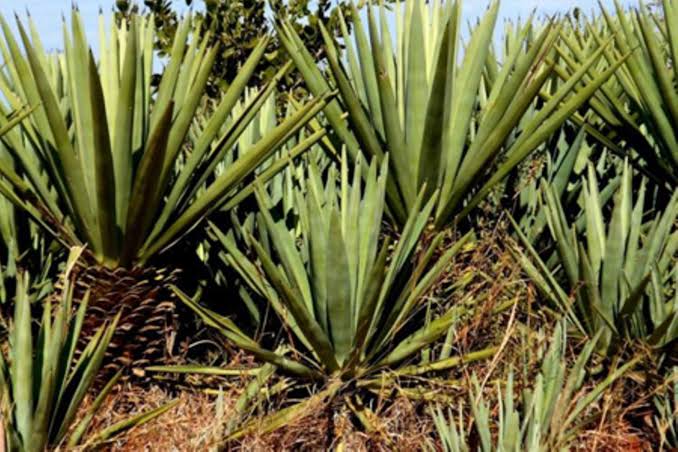
When we look at the crops that shape our landscapes, it is easy to forget how much gets left behind. In Tanzania, the hardy sisal plant has long provided durable fibers for textiles and ropes. Yet according to the Tanzania Sisal Board, traditional processing uses only about two percent of the plant, leaving the remaining ninety-eight percent discarded as agricultural residue.
A collaborative research initiative known as the AgroVal project is working to change that quiet waste into something restorative. Bringing together scientists from the Nelson Mandela African Institution of Science and Technology, the Technical University of Denmark, and Pwani University, the team has discovered ways to convert sisal residues into sturdy, wood-like composite materials, bioenergy, and rich compost.
Giving natural woodlands room to breathe
The hope behind the project is both practical and ecological. By transforming dense plant residue into building materials, communities may gain access to an alternative to conventional timber, easing the need to fell trees in dwindling native forests. Researchers like Dr. Clemence Ansbert note that adopting these alternatives could pave a steadier path toward a greener landscape, provided production can scale sustainably to meet everyday demand.
The initiative also explores circular agricultural methods, such as using black soldier fly larvae to break down remaining organic plant matter into nutrient-dense fertilizer. Rather than letting harvest byproducts pile up, every part of the cycle is invited to serve a purpose.
Why this matters for everyday life
Finding calm often starts with how we relate to the natural spaces around us. Healthy, undisturbed forests filter our air, soften environmental noise, and offer restorative retreats from the pace of modern life. When communities find clever, gentle ways to build without cutting down living canopies, it leaves our shared world a little quieter, greener, and more balanced for everyone.
Written by Limmizen Newsroom
Originally reported by Daily News. This piece is a Limmizen rewrite in our own voice.