
Listening to the Voices Building Peace in the Great Lakes Region
When women lawmakers shape policy, peace becomes tangible. Here is how leaders in the Great Lakes Region are working to turn representation into real community healing.
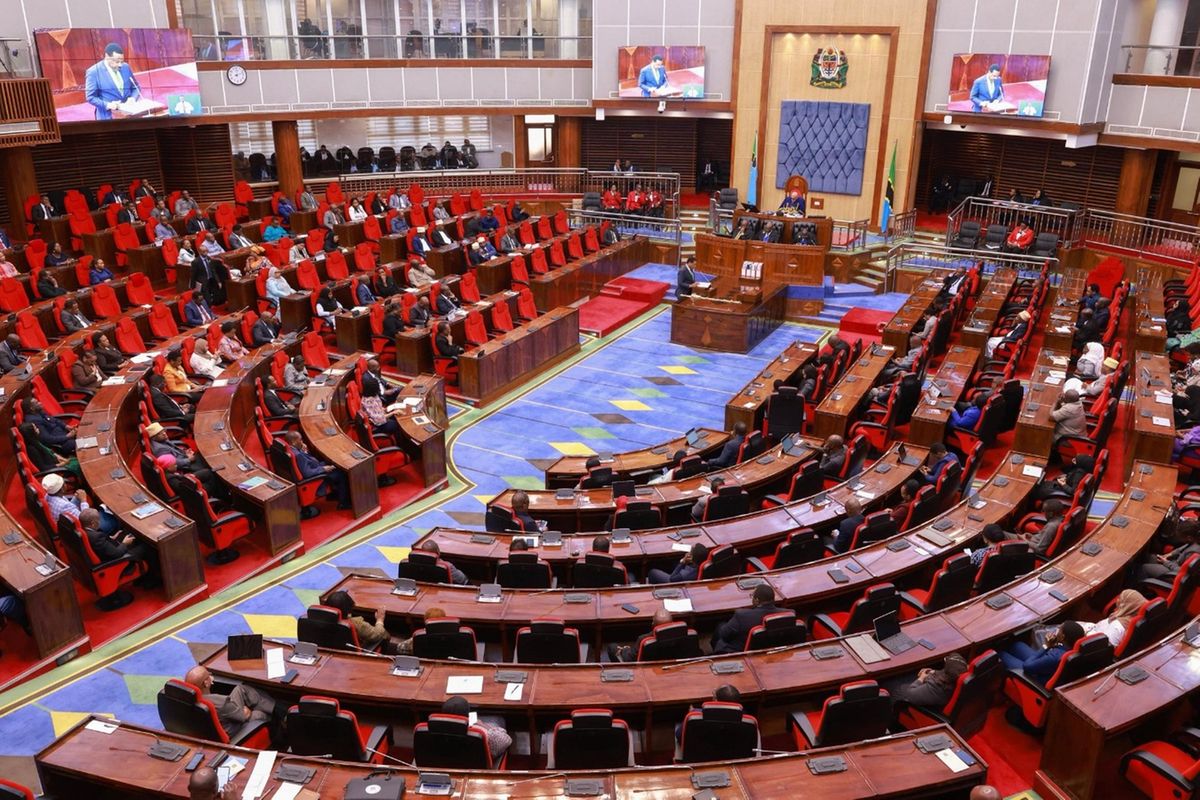
More than twenty years after leaders first met in Tanzania to build a shared foundation for peace in the Great Lakes Region, a new chapter is taking shape. In November 2026, women lawmakers from twelve member countries will gather in Dar es Salaam for the inaugural Women Parliamentary Conference, uniting around a shared vision for stability and shared growth.
Today, women hold roughly 28 percent of parliamentary seats across the member states. While that marks genuine progress, having a seat at the table is only the beginning. The deeper question is whether representation is truly translating into influence—shaping national budgets, community safety laws, and cross-border dialogue.
Turning presence into practical change
For families across the region, peace is not an abstract concept discussed in formal halls. It is the simple relief of sending children to school safely, or the security a trader feels while traveling to market to earn an honest living. When women legislators bring these everyday realities directly into policy debates, the resulting laws reflect the true needs of the communities they serve.
The upcoming conference aims to produce actionable commitments through the Dar es Salaam Declaration, focusing on conflict prevention, social empowerment, and mutual accountability among neighboring states.
Why this matters for everyday life
True calm and wellness rarely exist in isolation; they are built on foundations of safety, equity, and mutual understanding. Just as peaceful living requires us to pause and truly listen to those around us, healthy governance relies on making space for voices that have too often been left out of the conversation. When more people are heard, lasting harmony becomes possible for everyone.
Written by Limmizen Newsroom
Originally reported by The Citizen. This piece is a Limmizen rewrite in our own voice.