
Serengeti Marathon Aims to Revitalize East African Tourism
East Africa, famous for its incredible wildlife, is now looking to expand its tourism appeal. A new initiative, spearheaded by the Serengeti Safari Marathon, hopes to bring more active and sports tourism to the region, focusing on the beaut
For many years, East Africa has charmed travelers worldwide with its amazing wildlife, like the 'Big Five' and the Great Migration. But now, a Tanzanian entrepreneur believes there's an exciting new direction for tourism that goes beyond just safaris.
The Serengeti Safari Marathon is already a standout event in Africa. It's becoming a key player in promoting active and sports tourism across the entire East African Community (EAC). Its ambitions stretch far beyond the race itself, aiming to unlock the huge tourism potential of the Lake Victoria Basin, which is a vital ecological and economic area in Africa, through sports, conservation, and working together across borders.
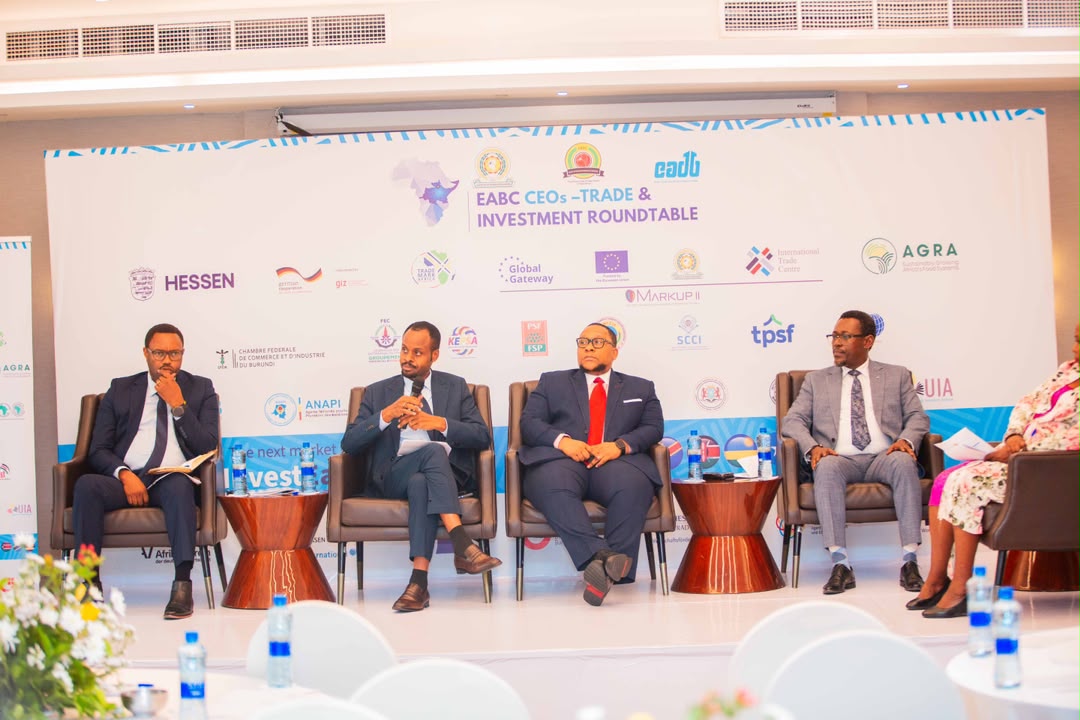
This big effort brings together several important groups: the United Nations Development Programme (UNDP), the Institute of Rural Development Planning (IRDP), the Lake Victoria Basin Commission (LVBC), the East African Business Council (EABC), Uganda's High Commission and Consulate, and even the respected Rwenzori Marathon organizers. This partnership is part of a larger plan to make the Lake Victoria Basin a thriving, fair, eco-friendly, and lasting tourist spot.
Why Active Tourism Matters Now
Tim Mdinka, who founded the Serengeti Safari Marathon, explains that their main goal is to boost active and sports tourism. This also helps improve the lives of people living around the Lake Victoria Basin, all part of their bigger plan for responsible tourism. This vision is about more than just marathons; it’s about creating new economic opportunities for the over 45 million people who rely on Lake Victoria across Tanzania, Kenya, Uganda, Rwanda, and Burundi.
Even though Lake Victoria is incredibly important economically, the tourism around it hasn't developed as much as the famous wildlife destinations. Mdinka believes active tourism can offer a fresh approach, bringing new ways for local communities to earn money. He sees the future of tourism not just about visiting places, but about experiences that truly connect people with nature, communities, and healthy living.
Beyond the Usual Safari Experience
Mdinka has urged leaders to think differently about tourism in East Africa. He points out that while wildlife tourism is vital and successful, it shouldn't be the only focus. He notes that Tanzania's excellent work in wildlife conservation has perhaps overshadowed other promising areas, like sports, culture, wellness, adventure, and lake-based tourism. The Serengeti Safari Marathon was intentionally created to open up these new tourism possibilities across the East African Community, particularly in the Lake Victoria Basin.
This focus on sports tourism also perfectly fits with a growing global trend for active travel, wellness trips, and purposeful journeys. People who travel for marathons, cycling, or hiking often stay longer and spend more in local economies. They also tend to explore places beyond the well-trodden tourist paths, creating fresh opportunities for local businesses and communities. This approach not only brings economic benefits but also encourages responsible tourism that protects our precious ecosystems.
Written by Limmizen Newsroom
Originally reported by Daily News. This piece is a Limmizen rewrite in our own voice.