
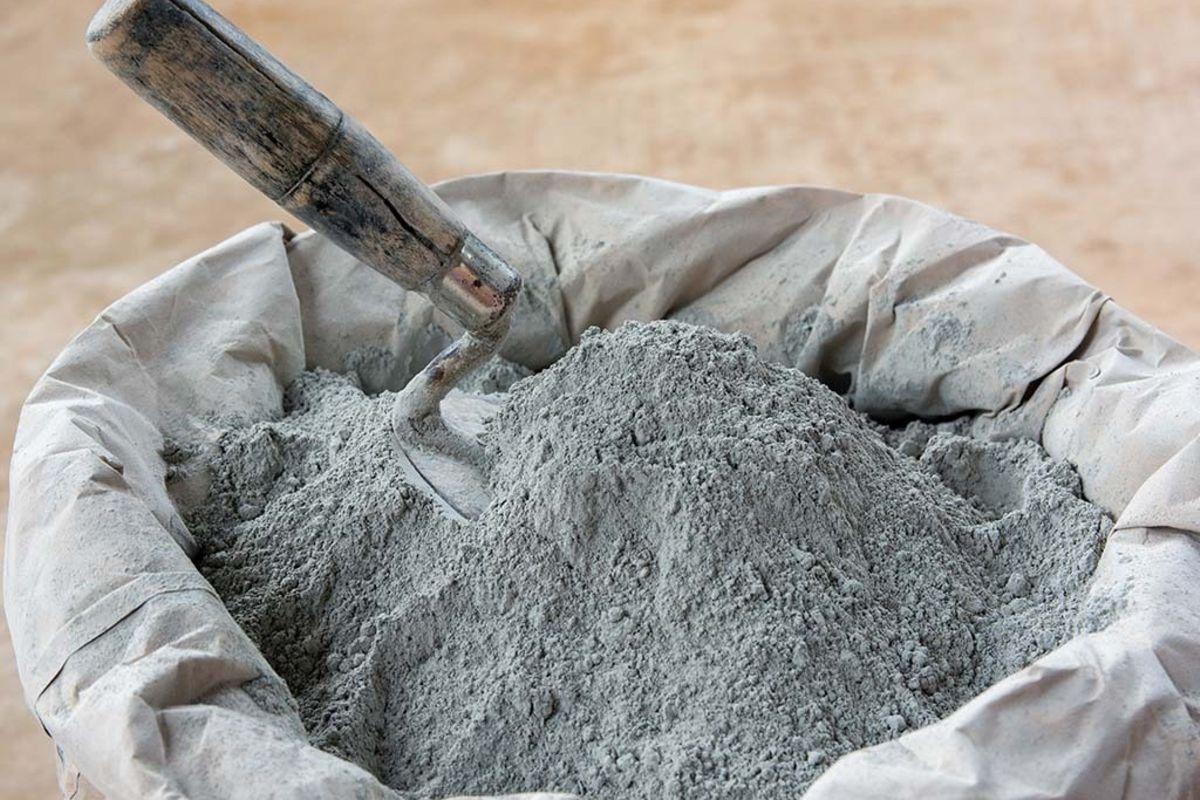
Tanzania Government Urges Cement Manufacturers to Lower Prices
Good news for anyone looking to build or renovate! The Tanzanian government has stepped in, giving cement manufacturers a clear deadline to bring down prices and boost supplies after recent shortages. It's all about making construction more
In a recent move to help out the construction sector, the Tanzanian government has given cement manufacturers an eight-day window to reduce prices and improve product availability. This comes after weeks of cement shortages, which saw the price of a 50-kilogram bag climb to as much as Sh26,000 in some retail shops.
The Ministry of Industry and Trade called an urgent meeting with manufacturers to address these concerns. Rajabu Salum, the Permanent Secretary, confirmed that they have until August 28th to implement changes. After this deadline, another meeting will be held to check on the progress and see if things have improved for consumers.
Why the Prices Went Up
Manufacturers explained that a couple of key issues contributed to the shortage and higher prices. For one, some major plants that produce 'clinker' – a crucial ingredient for cement – experienced breakdowns. This naturally affected overall production. Additionally, the rising costs of fuel and transportation made it more expensive to produce and distribute cement, which then filtered down to the consumer.
It's interesting to see the difference between factory prices and what people actually pay. Before tax, a tonne of cement was selling for about Sh321,251 at the factory. When you break that down, it's roughly Sh16,063 per bag before tax, or around Sh18,954 with tax included. However, many retail outlets were charging significantly more, with some bags going for up to Sh26,000. This big jump is largely due to added transport costs, distribution markups, and the high demand.
The Bigger Picture
Dr. Matiko Mturi from the National Construction Council shed some light on this. He explained that transport costs, which have increased, combined with strong construction activity across the country, are major factors pushing retail prices up. Everywhere you look, there's building happening – from homes to roads – so demand is really high. This makes the government's deadline on August 28th an important date to watch, as they'll be assessing whether these measures have truly made a difference in bringing down costs and ensuring a steady supply for everyone.
Why this matters: When essential building materials like cement become expensive or hard to find, it impacts more than just big construction projects. It affects individuals hoping to build their dream home, small businesses trying to expand, and the overall stability of daily life. Affordable access to these materials helps communities grow and thrive, fostering a sense of progress and well-being for everyone.
Written by Limmizen Newsroom
Originally reported by The Citizen. This piece is a Limmizen rewrite in our own voice.