
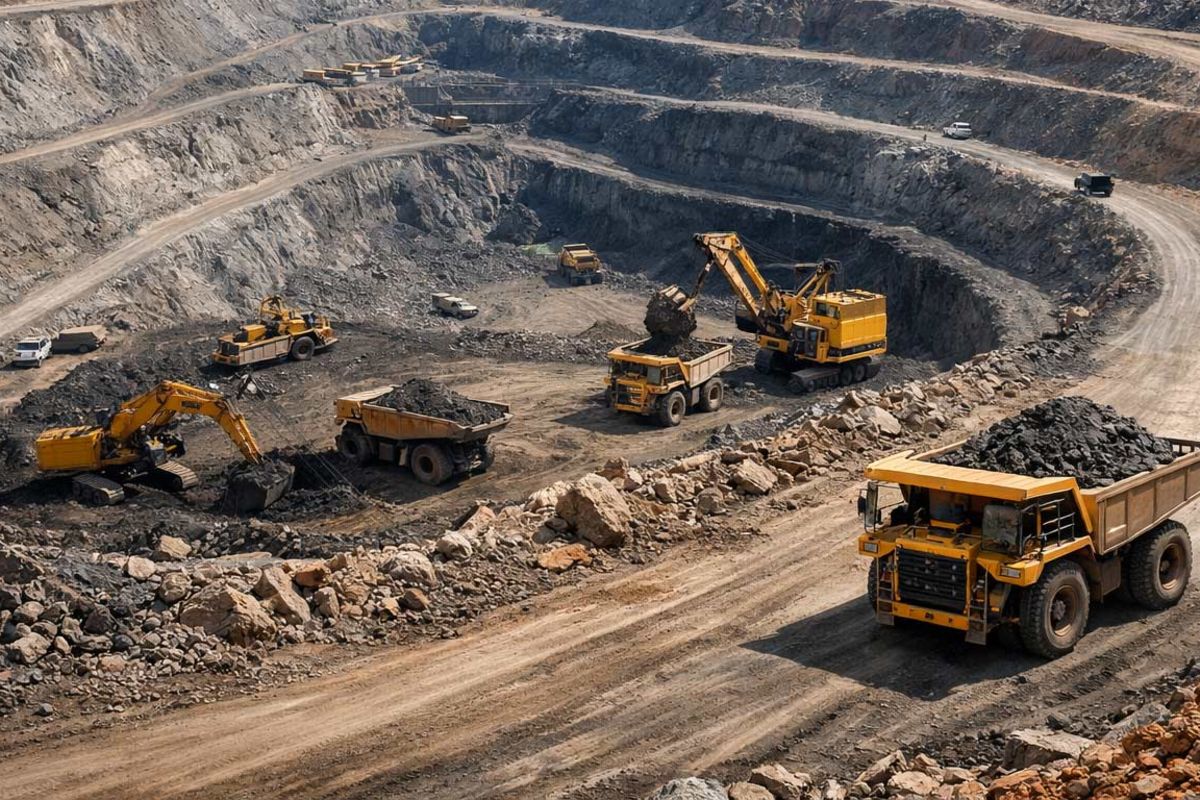
Tanzania's Mining Boom: A Green Future and Local Empowerment
Tanzania's mining industry is truly shining, moving beyond gold to embrace critical minerals for a greener future. It's a heartwarming story of growth, strategic reforms, and empowering local communities.
You know, it’s truly wonderful to see how Tanzania’s mining sector has transformed. What was once a challenging industry has blossomed into a key driver for the nation's economy. Thanks to some thoughtful changes and forward-thinking strategies, they’ve managed to attract incredible investment and boost their revenue significantly.
To give you an idea, the government's earnings from mining grew from about Sh526 billion in 2020/2021 to over Sh1.4 trillion projected for 2025/2026! That’s more than their annual goal. This vibrant sector now contributes around 11.9% to 12% of the country’s GDP, a real leap from 9.1% in 2023.
Minerals Minister Anthony Mavunde shared in Dodoma that Tanzania isn’t just about gold anymore. It’s becoming a significant player in the global shift towards green energy. They’re focusing on making things easy and secure for investors, which is why the Fraser Institute recognized them as the fourth most attractive country for mining investment in Africa. This trust is reflected in foreign investment, which rose from $9.15 billion in 2023 to $9.79 billion in 2024.
Beyond Gold: A Focus on Green Minerals
While gold certainly remains a major earner, bringing in $4.75 billion in 2025, Tanzania is looking ahead. They have impressive reserves of critical minerals vital for electric vehicles and renewable energy, like nickel, graphite, cobalt, lithium, and rare earth elements. Imagine the potential!
For example, companies like Lifezone Metals are developing the Kabanga Nickel Project, which holds over 209 million tonnes of nickel. And Australian explorers, like Volt Resources, are securing significant funding to speed up work at the Bunyu Graphite Project. This shift means Tanzania is aiming to process these minerals at home, moving from just supplying raw materials to creating finished products.
Empowering Local Communities
One of the most heartening aspects of these changes is the focus on empowering Tanzanians. New mining regulations ensure that local people are employed and local businesses are supported. The number of Tanzanian workers in mines has grown from 6,668 in 2018 to over 18,800 by 2024, making up more than 97% of all mining jobs. Local purchasing also jumped from 62% to 88% in the same period. It’s wonderful to see local firms managing complex supply chains and securing big subcontracts.
Even small-scale miners, who support over six million Tanzanians, are getting a boost. The government has provided modern drilling machines, issued new licenses, and helped with financing. These small-scale miners now contribute almost 40% of the national gold collection, a huge increase from about 5% before 2017. As one expert from the University of Dar es Salaam noted, investing in processing and innovation can help Tanzania integrate into global value chains, rather than just supplying raw minerals.
Why this matters: For those of us who appreciate better listening, calm, and a thoughtful approach to everyday life, this story highlights how strategic planning and a focus on community can create real, positive change. It shows that responsible development can empower people and lead to a more sustainable future, contributing not just to economic growth but also to the well-being of a nation and its contribution to global sustainability.
Written by Limmizen Newsroom
Originally reported by The Citizen. This piece is a Limmizen rewrite in our own voice.