
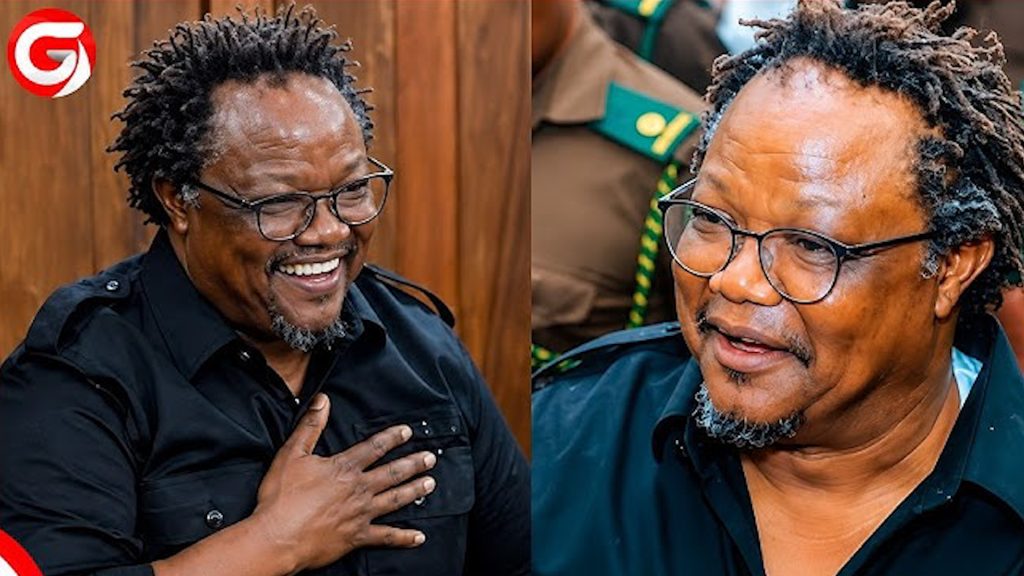
Tundu Lissu Raises Questions on Video Evidence in Treason Trial
During a recent treason trial, Tundu Lissu challenged video evidence, highlighting inconsistencies in the witness's testimony regarding his alleged involvement in publishing a video. It's a reminder that details truly matter in legal procee
Challenging the Video Evidence
In an ongoing treason case, political figure Tundu Lissu recently questioned the 16th witness, ACP Amini Mahamba, about a video central to the allegations. Lissu pressed the witness on the claim that he was responsible for publishing and distributing a CHADEMA meeting video on Jambo TV's YouTube channel.
The witness admitted they weren't sure if Lissu was an employee, photographer, presenter, or had access credentials for Jambo TV. Interestingly, the witness also confirmed that statements from other witnesses (P and P1) indicated they were the ones who recorded and live-streamed the meeting.
Unpacking the Treason Claims
Lissu continued his questioning, revealing that the witness hadn't interviewed all party leaders about the meeting in question at CHADEMA's headquarters. The witness also conceded that Lissu, as the party chairman, might not be criminally liable for actions taken by his fellow leaders.
Another point Lissu brought up was the very basis of the treason accusation. He highlighted that the constitution doesn't define disrupting an election as a treasonous act. He further pointed out that in his alleged 'treasonous' remarks, he never mentioned the Union Government, the Zanzibar Revolutionary Government, President Samia Suluhu Hassan, Vice President Philip Mpango, former Prime Minister Kassim Majaliwa, or the Election Commission.
Lissu then poignantly questioned why he was being held when the evidence suggested others (P and P1) were responsible for broadcasting the video. He noted, "One year and four months in prison is not suffering," underscoring the personal impact of the prolonged legal process.
Why this matters for your calm and clarity:
This case reminds us that asking clear, precise questions is incredibly powerful, whether in a courtroom or in everyday life. Understanding the specifics and questioning assumptions can lead to much greater clarity and help uncover the truth, which is essential for informed decisions and peace of mind.
Written by Limmizen Newsroom
Originally reported by Global Publishers. This piece is a Limmizen rewrite in our own voice.