
Unplugging and Tuning In: A Journey Back to the World's Real Sounds
Ever wonder what you're missing when your headphones are on? One writer decided to take a break from constant audio to rediscover the rich soundscape of everyday life and connect more deeply with her surroundings.
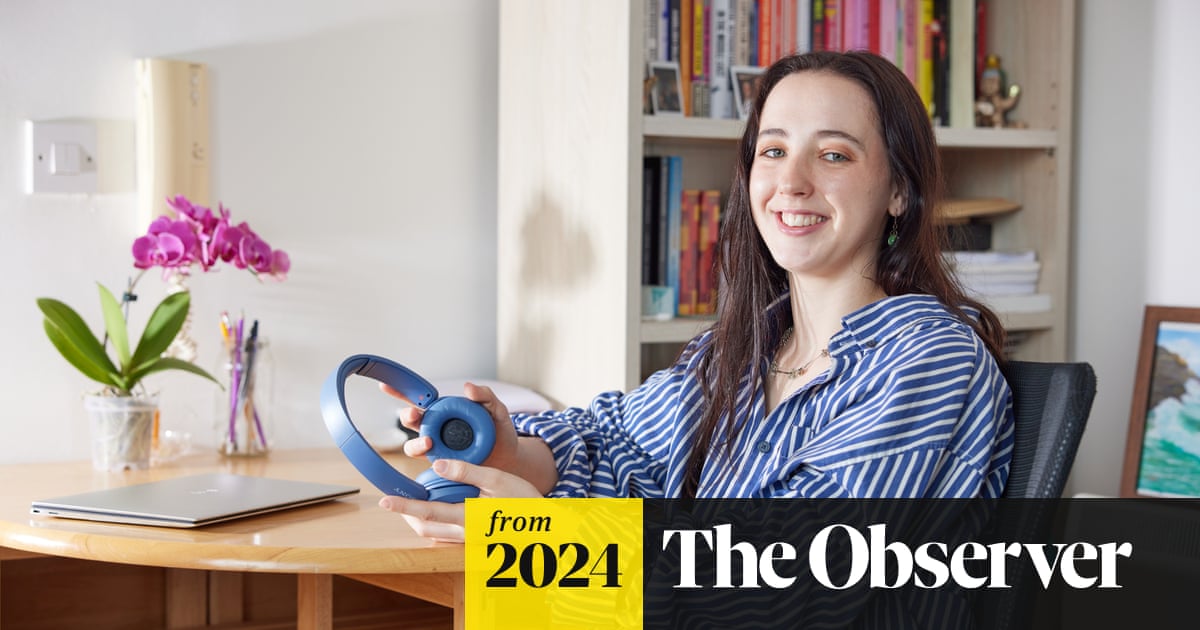
For many of us, leaving the house without headphones feels unthinkable. Whether it's a quick trip to the shop or a longer commute, the idea of facing our own thoughts or the city's hustle without a personal soundtrack can be unsettling. This was certainly the case for Ella Glover, who, like so many, found herself in a near-constant state of headphone use. It wasn't until a friend, environmental sound artist Lance Laoyan, pointed out how headphones not only mask noise pollution but also serve as a constant distraction, that she started to think differently.
This conversation sparked a deep dive into our collective headphone habits. In bustling cities like Manchester, it's rare to see someone without them. Statistics show that millions of us use headphones, with that number expected to grow significantly. We often choose music, podcasts, or audiobooks over the sounds of the outside world, but why this widespread need to tune out?
The Personal Experiment
Curious about her own reliance, Ella decided to ditch her headphones for a month. Before this experiment, her headphones were woven into nearly every aspect of her day – from exercising to doing dishes, even trying to sleep. The only time they weren't in use was when they ran out of battery, and the anxiety that followed was a clear sign of just how ingrained they had become.
This isn't a new phenomenon, of course. From the revolutionary Sony Walkman in 1979 to today's sleek wireless earbuds, personal listening devices have continually evolved, each generation offering an even more enticing way to create our own private sound bubbles. While these devices offer a sense of freedom and control, some studies suggest potential downsides like accelerated hearing loss and increased accident risks due to distraction. Yet, despite these concerns, the conversation around our ubiquitous headphone use remains surprisingly quiet.
Seeking Control, Finding Connection
Professor Michael Bull, a pioneer in sound studies, explains that our reliance on headphones often stems from a very human desire for control. This can manifest in several ways: cognitive control (managing our mood), environmental control (blocking out unwanted noise), bodily control (feeling more empowered in public), and social control (choosing who we engage with). However, Bull also points out a fascinating paradox: while headphones offer a sense of freedom, that freedom is often tied to the very technology we use. It's a sense of liberation that depends on being tethered to a device, creating a subtle manipulation disguised as autonomy.
For many city dwellers, headphones offer a way to navigate overwhelming environments, to create an 'audiotopia' and soften the harsh realities witnessed daily. While this need for personal space and emotional regulation is understandable, it also highlights a broader truth: we can't truly change what we aren't aware of. Removing the headphones can be the first step towards understanding our surroundings and, perhaps, inspiring a desire for a world that's better suited to our inherent need for calm and connection.
Why this matters for your everyday listening:
Taking a pause from constant audio can open up a world of sounds and experiences you might be missing. It's an invitation to notice the subtle rhythms of your environment, engage more deeply with those around you, and even tune into your own thoughts without constant external input. It could be a simple way to bring a little more calm and awareness into your daily life.
Written by Limmizen Newsroom
Originally reported by The Guardian. This piece is a Limmizen rewrite in our own voice.