
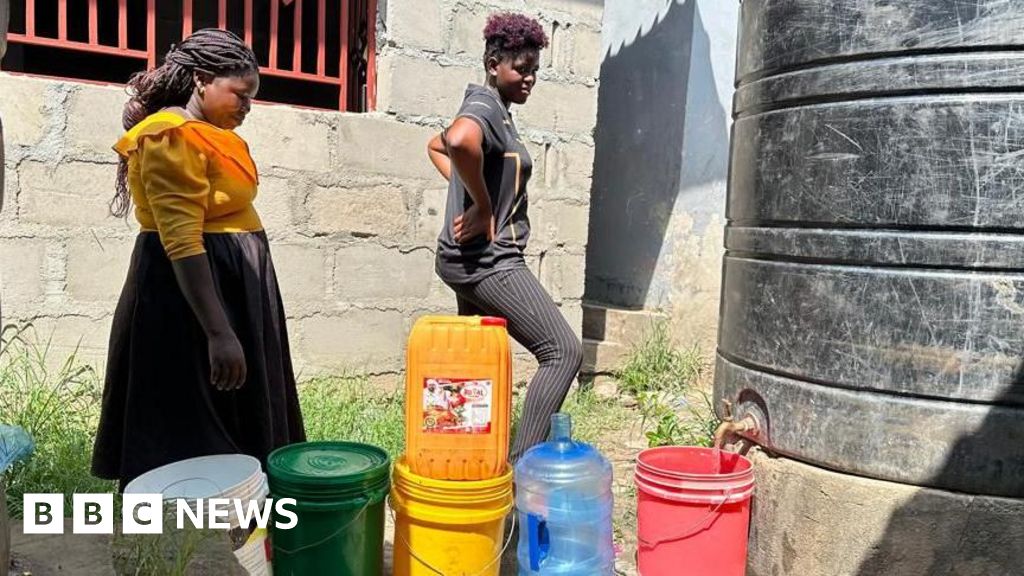
Water Woes Dampen Holiday Cheer in Dar es Salaam
Residents in Tanzania's largest city, Dar es Salaam, are facing severe water shortages, turning what should be a festive season into a daily struggle for this essential resource. It's a reminder of how deeply tied our well-being is to basic
Imagine planning your holiday celebrations, only to find yourself constantly searching for water. That's the reality for many of the six million residents in Dar es Salaam, Tanzania's bustling economic hub. As Christmas approached, the usual festive spirit was overshadowed by dry taps and the anxious wait for water.
For months now, the city has grappled with a significant water crisis, a tough combination of drought and a growing population. Homes might only get water once a week, but even that can stretch into a much longer wait. This means many families are turning to private vendors, which, while a help, also adds a big financial strain, especially for those on a tight budget. One resident shared how the cost of 1,000 liters of water jumped from $4 to $10, making even simple cooking an unexpected expense.
The Roots of the Problem
Officials explain that a prolonged dry spell since May has drastically lowered water levels in the rivers and underground sources the city relies on. This has led to cuts in supply from treatment plants. On top of that, leaky pipes in the distribution system mean precious water is being lost before it even reaches homes. Dar es Salaam, being one of Africa's fastest-growing cities, has seen its population more than double in the past two decades. This rapid expansion, combined with existing infrastructure challenges, means that even in good times, the water supply was barely enough.
Looking for Solutions and Hope
Unlike some other Tanzanian cities with man-made dams, Dar es Salaam is particularly vulnerable because it lacks a nearby, consistent freshwater source. About 70% of its drinking water comes from the Ruvu River, which depends heavily on seasonal rainfall. When that rainfall doesn't come, the impact is felt almost immediately. Water Minister Juma Aweso has acknowledged the severity, mentioning that longer-term solutions are in the works, including building a new dam and drilling more boreholes to help the city better withstand future climate challenges.
The Dar es Salaam Water and Sanitation Authority (Dawasa) has apologized for the inconvenience and urged residents to conserve water. While some residents are hopeful things will improve next year, the current situation highlights how vital a reliable water supply is for daily life, impacting everything from hygiene and stress levels to small businesses like food vendors and salons. It's a poignant reminder that when basic resources are scarce, life truly does change.
Written by Limmizen Newsroom
Originally reported by BBC. This piece is a Limmizen rewrite in our own voice.