
When Forest Wealth Fails to Reach the Communities Protecting It
Across rural Tanzania, dense forests hold vast natural value, yet the villages living beside them often see few of the rewards.
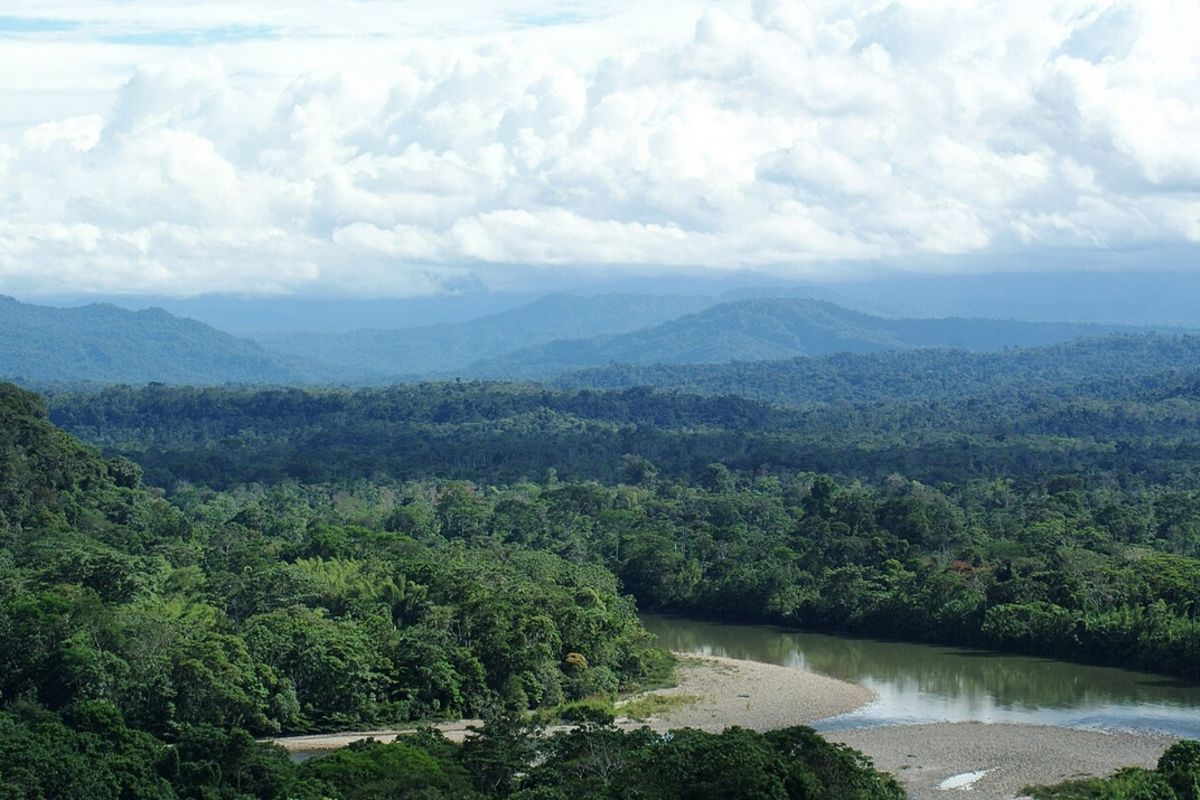
When you stand among towering trees, it is easy to feel a sense of boundless richness. For generations, rural communities across Tanzania have lived alongside some of the region's most vibrant forests, tending the land and relying on its natural canopy. Yet an enduring challenge remains: the economic benefits flowing from these rich woodlands often bypass the very villages that safeguard them.
The gap between natural resources and local livelihoods
While timber, conservation initiatives, and commercial forestry generate substantial value, the returns rarely seem to trickle down to everyday households. Local stewardship requires daily care, patience, and restraint, but when external systems manage commercial gains, surrounding communities are often left navigating strict boundaries without sharing fairly in the harvest.
Bridging this divide calls for forestry models that place community rights and local benefit sharing at the center. When neighbors of the forest are recognized as primary stakeholders rather than passive observers, conservation becomes a shared purpose rather than an economic burden.
Why this matters for our everyday connection to nature
It is tempting to think of wilderness conservation as purely an ecological puzzle, but healthy landscapes depend entirely on the well-being of the people who walk them each day. True calm and environmental balance cannot thrive where local caretakers are left behind.
When we reflect on the spaces that bring peace and cleaner air to our wider world, supporting fairness for frontline guardians reminds us that living in harmony with nature starts with honoring community dignity.
Written by Limmizen Newsroom
Originally reported by The Citizen. This piece is a Limmizen rewrite in our own voice.