
When Natural Wealth Bypasses the Communities Protecting It
Tanzania's rich forests generate tremendous value, yet rural communities often see little return. Here is why closing that gap matters for people and the planet.
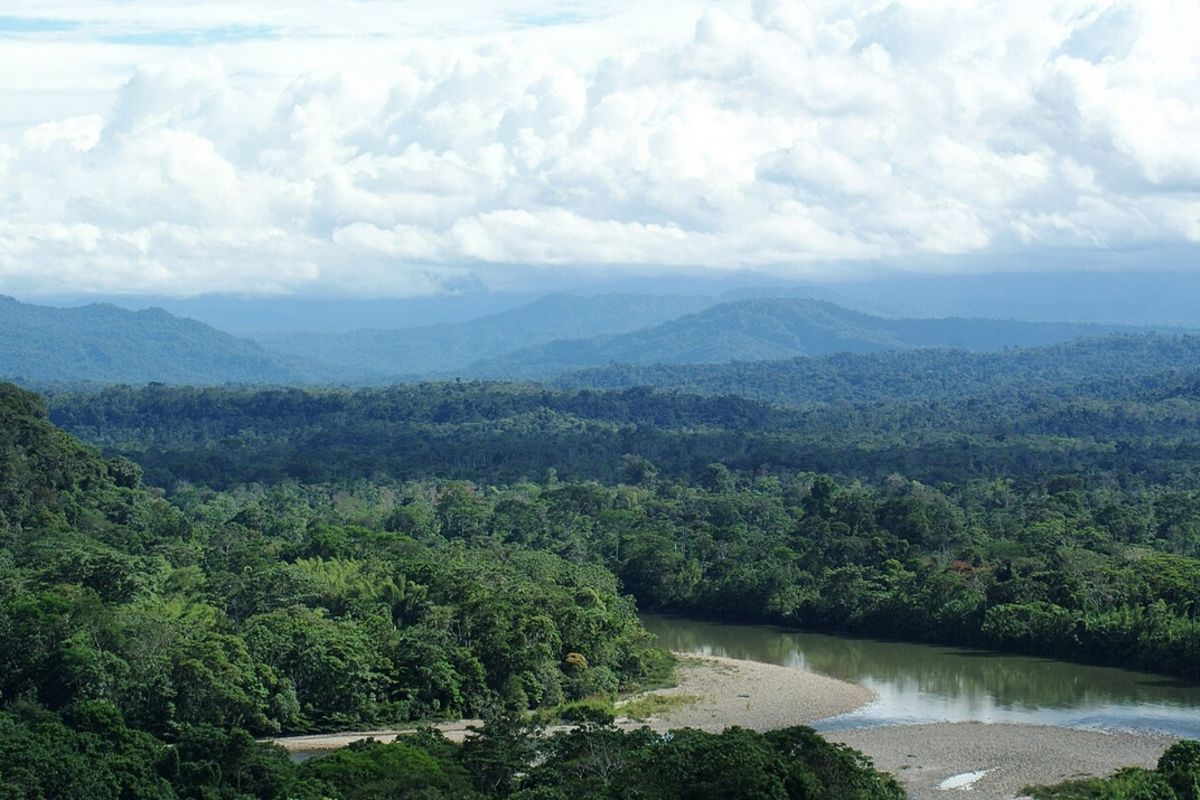
When we picture dense, flourishing forests, we often think of clean air, peaceful canopy walks, and nature undisturbed. But behind the greenery in places like Tanzania lies a complex reality: while these woodlands hold substantial natural and economic wealth, the rural villages living closest to them rarely see the benefits.
The disconnect between green wealth and local life
Tanzania has increasingly focused on conservation and restoring lost tree cover, yet systemic hurdles continue to leave local caretakers on the sidelines. In many rural communities, regulations, trade dynamics, and revenue streams flow away from the grassroots level, meaning the people doing the daily work of living alongside these habitats miss out on vital economic opportunities.
Without fair returns reaching nearby settlements, finding a balance between conservation and sustainable livelihood remains an uphill climb. Sustainable stewardship works best when the surrounding community directly prospers from keeping the environment healthy and protected.
Why this matters for everyday life and calm
True environmental harmony isn't just an abstract idea—it is deeply tied to human dignity and fairness. When forest-adjacent communities are valued and supported, the ecosystems we all rely on for clean breathing, biodiversity, and peaceful natural spaces have a much stronger chance of enduring.
- Healthy forests require long-term community trust and shared benefit.
- Equitable conservation creates quiet stability for both nature and people.
Written by Limmizen Newsroom
Originally reported by The Citizen. This piece is a Limmizen rewrite in our own voice.